













When you use Android apps, some of them need permissions to work properly. For example, apps for flight bookings, navigation, or hotel searches need location access to give you accurate results. But what happens to these permissions once you uninstall an app? Do you need to manually remove them?
In this guide, I’ll explain whether it’s necessary to revert permissions after uninstalling an app and show you how to remove permission given to uninstalled Android apps effectively.
Do You Really Need to Revert Permissions After Uninstalling?
In most cases, you don’t need to worry about it. Permissions are tied to the app itself—once it’s gone, they don’t have any effect.
That said, if you like to keep your device and Google account clean and clutter-free, it’s a good idea to check for leftover permissions. This is especially useful for privacy-conscious users who want to make sure apps you no longer use don’t retain access to sensitive data.
How to Remove Permissions from Uninstalled Android Apps
Best Practice: Revoke Permissions Before Uninstalling
If you’re planning to uninstall an app, you can prevent leftover permissions by following these steps:
- Go to Settings → Apps.
- Select the app you want to uninstall.
- Tap Clear App Data.
- Enable Remove permissions if app is unused (if your device supports this).
- Finally, uninstall the app.
This ensures that no permissions are left behind.
How to Clean Up Permissions After Uninstalling Apps
Even if you’ve already deleted an app, some permissions—like access to contacts, camera, location, or microphone—may still appear under App Permissions. Here’s how to clean them up:
Step 1: Check App Permissions
- Open Settings on your Android device.
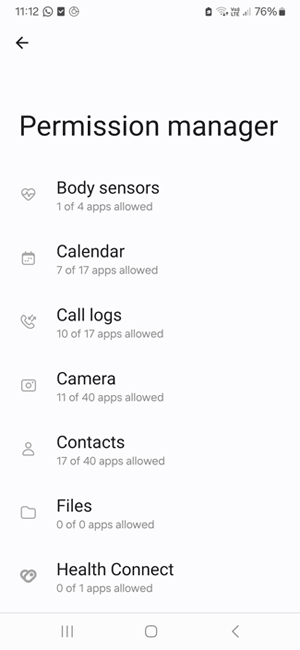
- Go to Privacy → Permission Manager (or Apps & notifications → App permissions, depending on your Android version).
- You’ll see a list of permission types (Camera, Location, Microphone, etc.).
Step 2: Remove Permissions for Deleted Apps
- Look through each permission category.
- If a deleted app still shows up, tap on it and revoke its access.
- On most devices, uninstalling an app automatically revokes its permissions, but occasionally leftover or residual permissions may remain due to the app’s design, system glitches, or linked account access.
Step 3: Remove Permissions via Google Account
Some apps may have requested access to your Google account. To clean this up:
- Go to Google Account Permissions.
- Review all apps listed, including uninstalled apps.
- Revoke access for apps you no longer use.
- Keep permissions intact for apps you still rely on.

This method works on any desktop or laptop, is consistent across all Android versions, and ensures leftover permissions are fully removed.
Step 4: Cleaning Residual Files (Optional)
Even after uninstalling an app, some leftover files (like images, caches, or data folders) may remain on your device. These don’t affect permissions but can take up storage.
- Most devices have a built-in Files or My Files app where you can check Internal Storage → Android → Data for leftover folders.
- For more control, you can use third-party file explorers like Files by Google or Solid Explorer.
- Caution: Only delete folders you are sure belong to uninstalled apps. Avoid system folders.
Cleaning these residual files helps keep your device tidy and can improve storage performance.
Note About Android Versions and Device Differences
Keep in mind that permission management can vary slightly depending on your Android version or device manufacturer:
- Stock Android (Pixel devices, Android One):
- Permissions are usually under Settings → Privacy → Permission manager.
- You can easily see which apps (installed or deleted) have residual access.
- Samsung One UI:
- Permissions are under Settings → Apps → App permissions.
- Some older Samsung devices may not show uninstalled apps, so leftover permissions are less visible.
- Other manufacturers (Xiaomi, Oppo, Huawei, etc.):
- Permission settings may be nested under Privacy, Security, or App management.
- Some devices include a “Remove permissions for unused apps” toggle that helps automate cleanup.
Tip: If you’re unsure, check both the device settings and your Google Account permissions to ensure all leftover permissions from uninstalled apps are revoked.
Conclusion
Removing permissions for uninstalled apps isn’t strictly necessary, but it’s a good privacy and maintenance practice. By following the steps above, you can:
- Revoke leftover permissions from your Android device
- Remove app access from your Google account
- Clean up residual files that take up storage
This keeps your device and account organized and secure, while giving you peace of mind about your personal data.

Thankyou very much!! Great info, lucid language and directions.